
October smells like an ending. The leaves are still on the trees, but the air is already cooler, routines speed up, and calendars fill as if the year were rushing to close. At this point in the cycle, many of the promises we made back in January —whether with intention or urgency— are still waiting for a decision: will we make room for them before the year ends, or will we file them away once again under “someday”?
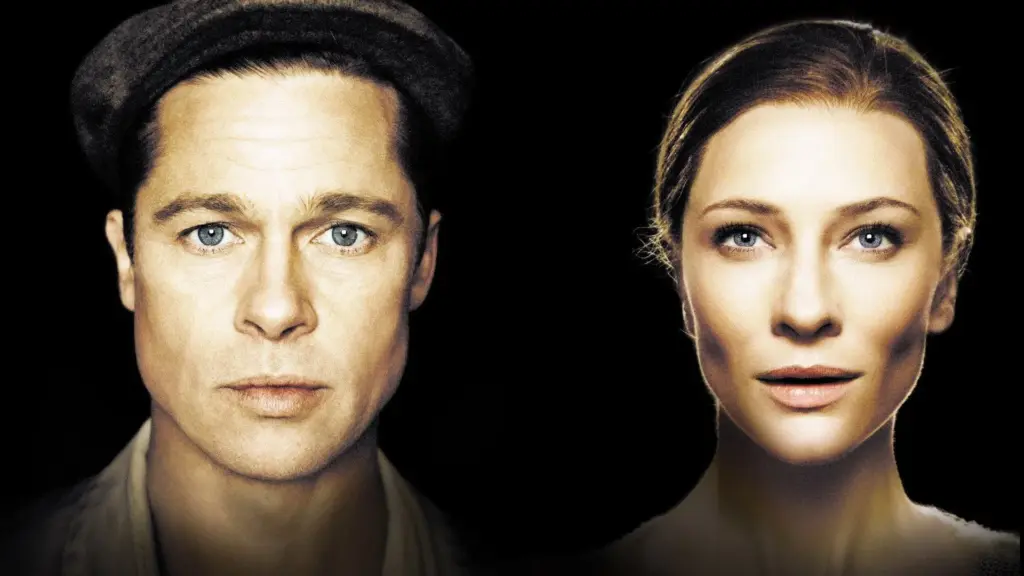
It’s in this moment that a particular story becomes especially relevant — one that revolves entirely around time itself: The Curious Case of Benjamin Button. In the film, Benjamin is born with the body of an old man and ages in reverse, growing younger as the years go by. He lives his life backward, in a sequence that defies all biological, emotional, and social logic. He doesn’t grow — he unravels. And from that perspective, he begins to see the world with a kind of time awareness most of us lack.
While we tend to trust that the most important things in life will happen “later,” Benjamin knows there will be no ideal time for what truly matters. The opportunities most people gain with maturity slip through his fingers in early childhood. The relationships that blossom in adulthood come too late — just as he’s unable to hold on to them. He lives —quite literally— against the clock. And that reversal forces him to do something we often avoid: pay attention to what is happening now.
There’s a particularly striking scene in which Benjamin, with a young man’s body but the maturity of age, writes a letter to his daughter. He speaks of life, love, risk, and loss. And at one point, he says:
You can be mad as a mad dog at the way things went. You can swear and curse the fates. But when it comes to the end, you have to let go.
This line holds a truth we rarely allow ourselves to feel: we don’t have as much time as we think. And saving the most meaningful parts of life for “later” —when things are calmer, clearer, more convenient— may mean losing them altogether.
But living against the clock doesn’t mean rushing. It doesn’t mean doing more, or filling the calendar just to catch up. It means choosing with intention. It means not letting momentum dictate what deserves our attention. It means using the time we have left —in the year, in the month, in the day— to take care of what still depends on us: our relationships, our health, our quiet rituals that give meaning to everything else.

October, with its dimmer light and faster pace, invites us to ask what we’ve left on pause. What important things we keep pushing to the back of the calendar as if they were optional. And whether it wouldn’t be more honest —more human, even— to make space for them now, even in a small way.
The Curious Case of Benjamin Button is not just a story about a biological anomaly. It’s a powerful metaphor: when we accept that time is limited, and that it doesn’t always come in the order we expect, we begin to live with a different kind of awareness. One that is more present. More compassionate. More awake.
The goal isn’t to dramatize time, but to restore its weight. Because when everything moves so fast, sometimes it takes a story told backwards to remind us that living with intention isn’t about age — it’s about choice.
And the time to make that choice isn’t tomorrow. It’s now.